


08-04-2025, 06:50 PM
Hi everyone. First let me introduce myself
I am a now retired electrical engineer who graduated just as these new fangled microprocessors appeared (in fact my work experience with Telstra for my degree was to select the preferred processor to be used for ongoing projects with Telecom Research Labs - I chose the Motorola 6800, but what would a graduate student know anyway !)
So i ordered a SYM-1 system whilst I was assigned to the Pilbara in 1979, and after an extraordinary amount of effort I managed to program it to be a clock - this was after upgrading the main RAM from 1kByte to 4 kByte (luxury!)
Returning back to Melbourne in 1980 or so, I found the ETI articles about the DG680 CPU card, and ordered the kit from Applied Technology, along with a DG640 Video card. And again after much effort I got them up and running using a modified cassette recorder (the one I had used on the SYM-1) for program storage
I then took out a personal loan (really) and purchased a S100 FDC from Morrow Designs along with a double density double sided 8 inch disk drive, stuffed all the cards into a homebrew chassis with an S100 backplane, and got CP/M up and running. And a great big thanks to whoever was handling purchasing in Applied Technology at that time, as they not only supplied the CP/M software they also patched the BIOS to run on the DG680 CPU and DG640 VDU. And they told me about a required chip replacement to make the interrupts work with the Morrow controller and the DG680 CPU
Somewhere along this journey I bought a 64k Dynamic Memory card (the 1st 16K cost around $350, the second 16K cost around $80 and the third 16K cost $16. Ah the power of mass production
I also stumbled into a group of hobbyists who also has S100 systems based on the DG680 card. We used to meet in one members house near Greensborough - there was less than 10 of us as I remember
That group morphed into the Melbourne MicroBee Users Group in Burwood after Applied Technology - I dropped out after we got over 70 people turn up to the "expressions of interest" meeting..... The first "official" meeting of the Melbourne chapter has over 250 people turn up!!!
Getting back to my S100 system. I was getting more and more frustrated with the 64x16 screen size of the DG640 VDU card, along with the "flashes" on screen whenever the CPU access the video memory. And being a poor graduate engineer I could not afford a better 80x24 card (one personal loan for my computer has been enough)
So I decided to build my own (ah the naivety of youth)
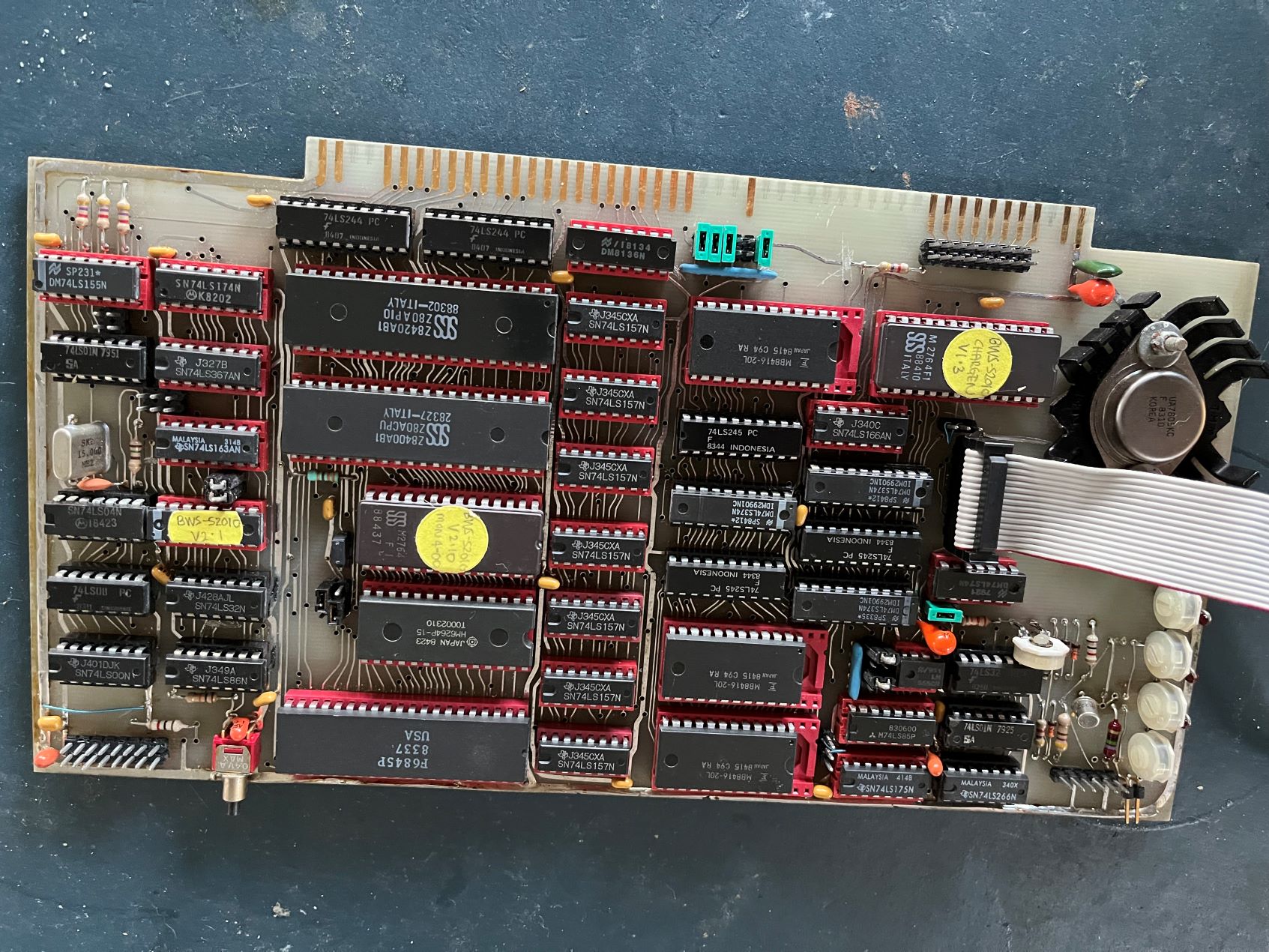
I ended up designing and prototyping a 80x24 video with an onboard Z80 CPU running in lockstep with the 6845 CRT chip. all accessed through a parallel I/O interface so as to not use up precious RAM space. The onboard Z80 allowed the video card to emulate different terminals/screens just by downloading new firmware into the VDU card. Over time I added bit mapped graphics (640x480), colour (16) and various emulations
I showed the prototype to the guys at the at the club, and several of them expressed interest in building their own version, so I got a card artwork done and had a production run of around 6 cards. These were duely delivered to the guys at the club just before it morphed to the MicroBee User Group
The card was eventually was called the "ByteWyde Systems BWS-2010 VDU
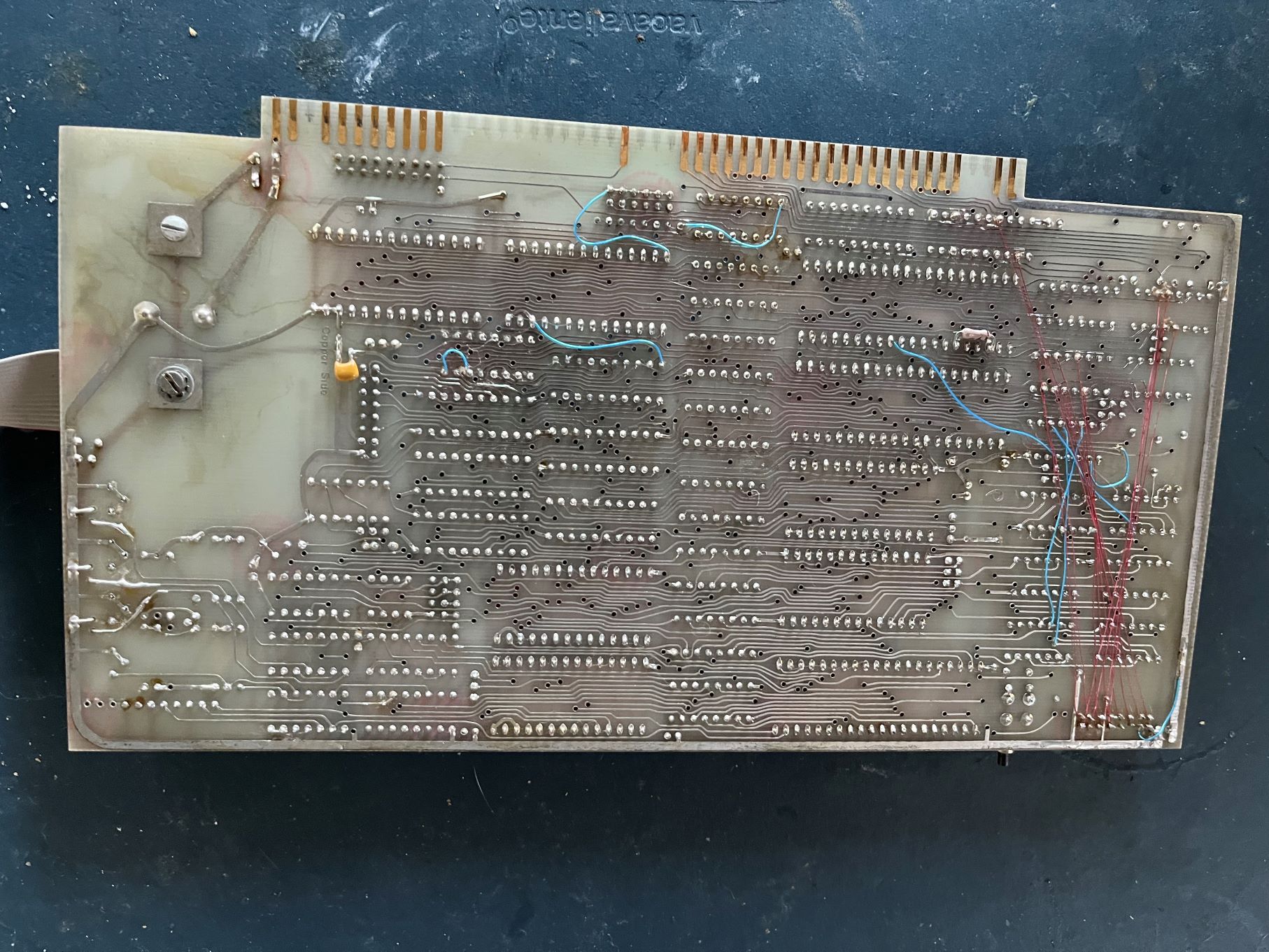
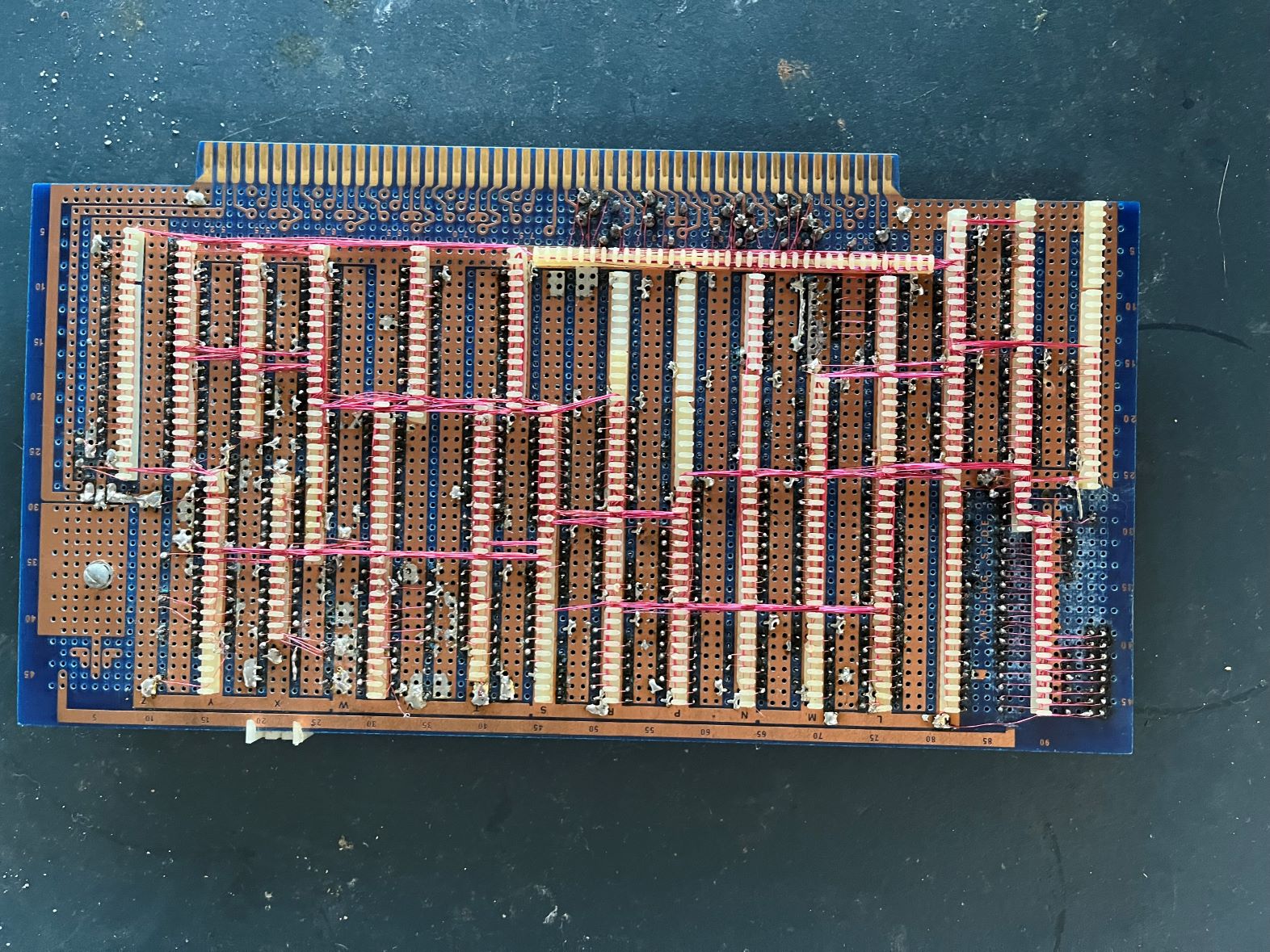
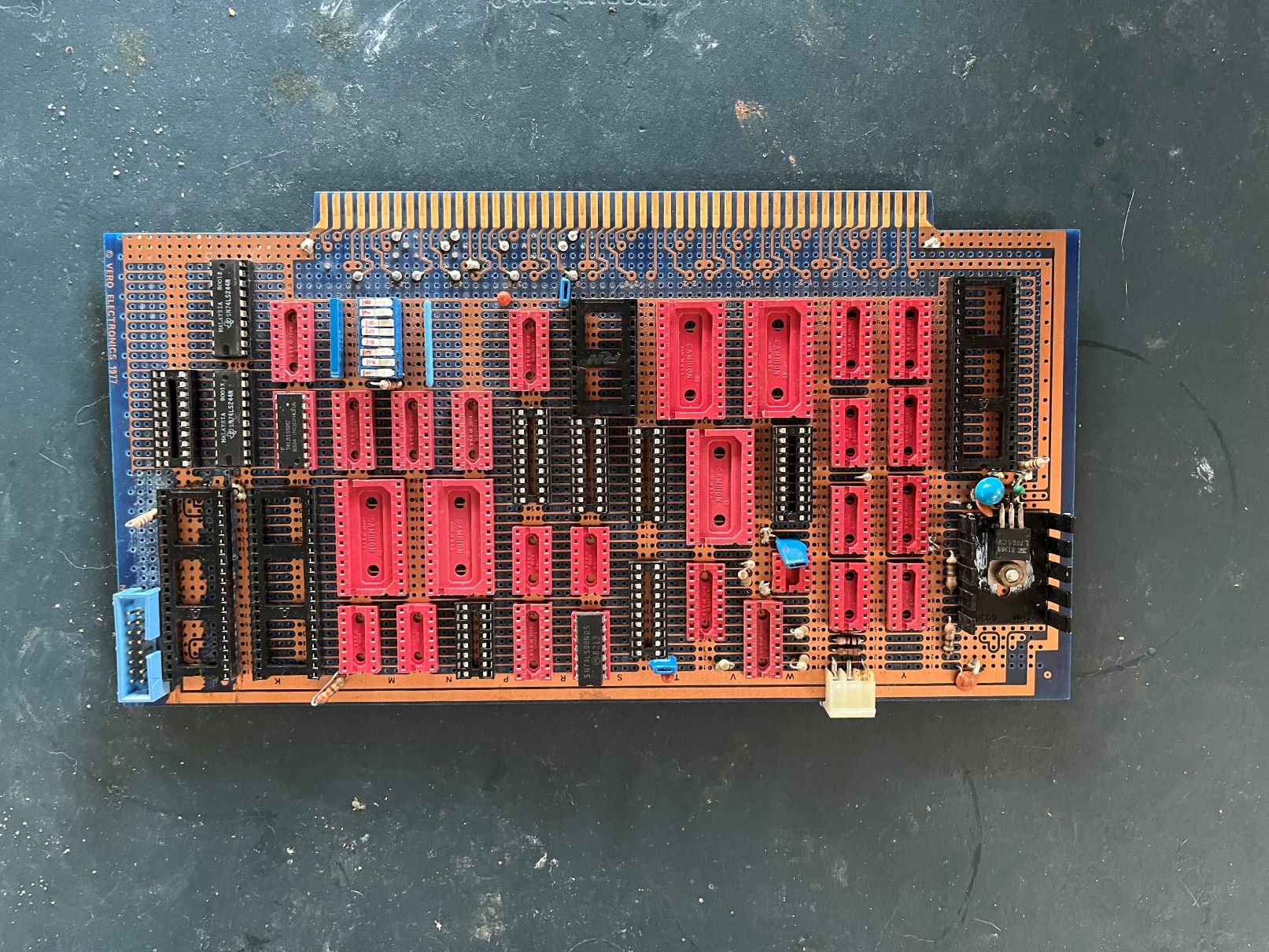
I've attached photo's of the original prototype, and the production board for your entertainment. As for the card, it got migrated to the STD buss form factor and got used in a lot of control systems in the mid to late 1980's - ByteWyde systems was my company along with my elder brother that specialized in the control system space
So after all of that, I am curious whether any of the other boards made ever got built and installed in anyone's system. If you have ever heard of this card, or even have one of the cards, i'd love to have a chat some time about thost days - it certainly was an exciting period in the computer world!
My apologies for the long post - this has obviously been bottled up inside for some time !!!
I am a now retired electrical engineer who graduated just as these new fangled microprocessors appeared (in fact my work experience with Telstra for my degree was to select the preferred processor to be used for ongoing projects with Telecom Research Labs - I chose the Motorola 6800, but what would a graduate student know anyway !)
So i ordered a SYM-1 system whilst I was assigned to the Pilbara in 1979, and after an extraordinary amount of effort I managed to program it to be a clock - this was after upgrading the main RAM from 1kByte to 4 kByte (luxury!)
Returning back to Melbourne in 1980 or so, I found the ETI articles about the DG680 CPU card, and ordered the kit from Applied Technology, along with a DG640 Video card. And again after much effort I got them up and running using a modified cassette recorder (the one I had used on the SYM-1) for program storage
I then took out a personal loan (really) and purchased a S100 FDC from Morrow Designs along with a double density double sided 8 inch disk drive, stuffed all the cards into a homebrew chassis with an S100 backplane, and got CP/M up and running. And a great big thanks to whoever was handling purchasing in Applied Technology at that time, as they not only supplied the CP/M software they also patched the BIOS to run on the DG680 CPU and DG640 VDU. And they told me about a required chip replacement to make the interrupts work with the Morrow controller and the DG680 CPU
Somewhere along this journey I bought a 64k Dynamic Memory card (the 1st 16K cost around $350, the second 16K cost around $80 and the third 16K cost $16. Ah the power of mass production
I also stumbled into a group of hobbyists who also has S100 systems based on the DG680 card. We used to meet in one members house near Greensborough - there was less than 10 of us as I remember
That group morphed into the Melbourne MicroBee Users Group in Burwood after Applied Technology - I dropped out after we got over 70 people turn up to the "expressions of interest" meeting..... The first "official" meeting of the Melbourne chapter has over 250 people turn up!!!
Getting back to my S100 system. I was getting more and more frustrated with the 64x16 screen size of the DG640 VDU card, along with the "flashes" on screen whenever the CPU access the video memory. And being a poor graduate engineer I could not afford a better 80x24 card (one personal loan for my computer has been enough)
So I decided to build my own (ah the naivety of youth)
I ended up designing and prototyping a 80x24 video with an onboard Z80 CPU running in lockstep with the 6845 CRT chip. all accessed through a parallel I/O interface so as to not use up precious RAM space. The onboard Z80 allowed the video card to emulate different terminals/screens just by downloading new firmware into the VDU card. Over time I added bit mapped graphics (640x480), colour (16) and various emulations
I showed the prototype to the guys at the at the club, and several of them expressed interest in building their own version, so I got a card artwork done and had a production run of around 6 cards. These were duely delivered to the guys at the club just before it morphed to the MicroBee User Group
The card was eventually was called the "ByteWyde Systems BWS-2010 VDU
I've attached photo's of the original prototype, and the production board for your entertainment. As for the card, it got migrated to the STD buss form factor and got used in a lot of control systems in the mid to late 1980's - ByteWyde systems was my company along with my elder brother that specialized in the control system space
So after all of that, I am curious whether any of the other boards made ever got built and installed in anyone's system. If you have ever heard of this card, or even have one of the cards, i'd love to have a chat some time about thost days - it certainly was an exciting period in the computer world!
My apologies for the long post - this has obviously been bottled up inside for some time !!!


 but expected as someone was wondering how to handle the Z80's variable length memory access cycles.